

What is substance use disorder?
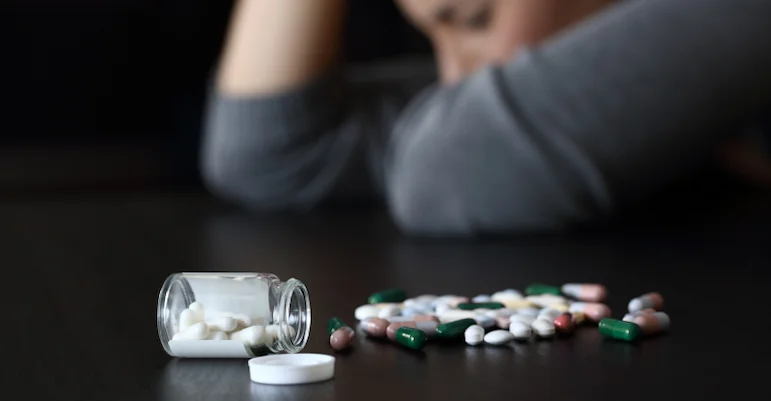
Substance use disorder (SUD) is a treatable mental health condition that leads to a person not being able to control their use of substances like alcohol, medicine, tobacco products or illegal drugs.
Learn more:
- National Institute of Mental Health
- Cleveland Clinic – Substance Use Disorder (SUD)
- More Powerful NC
If you have questions about SUD resources and services call Alliance Member and Recipient Services at 800-510-9132.
Reduce the stigma
What is stigma?
Stigma is when people have negative thoughts about someone, treat someone poorly, or have false beliefs about a person or group of people because of something about them or something they do.
How does stigma affect people with SUD?
Substance use disorder is a mental health condition not a moral failing. The stigma of substance use disorders can prevent people from getting the help they need. Fighting stigma is not easy, but it is easy to treat people with dignity and respect.
How can I help change the stigma around SUD?
- Know the facts. Learn about substance use disorder and don’t make assumptions.
- Once you know the facts, educate others.
- Be aware of your behavior and the words you use.
- Choose your words carefully, the way we speak can affect the attitude of others.
- Support people. Treat everyone with dignity and respect.
Learn more about ways you can help reduce the stigma around substance use disorders.
Opioids
How can I prevent opioid misuse?
Keep your medicines safe by learning about:
- Safe storage of medicines
- Safe ways to get rid of (dispose) of medicines
- Naloxone
- Red flags of opioid misuse and abuse
How do I safely store my medicines?
While it is important to keep your medicines in a place you can easily access and remember to take them, it is also important to store your medicines responsibly.
67% percent of people who misuse prescription medicines get them from friends and family and only 5% of youth who misuse prescription medicine say they get them from a stranger, a drug dealer or the internet.
Storing your medicines in your home and properly disposing of leftover medicines can keep them from being misused. Protect your medicines by tracking how many you have taken and check to see if any are missing.
Medicine lockboxes and locking pill bottles are also a great choice for protecting your medicine and can be bought at your local pharmacy.
To learn more, visit Lock Your Meds NC.
How do I safely get rid of (dispose of) my medicines?
The best way to keep leftover medicines from being misused is to take them to a secure “take-back” location or event. Local pharmacies or police stations will usually take leftover medicines and dispose of them safely for you. Also, some communities will hold take-back events.
How can I find a take-back location?
Below are some resources to help you find a take-back location near you:
- Google Maps
- Wake County drop box locations
- Operation Medicine Drop
- Drug Enforcement Administration
- National Association of Boards of Pharmacy
- Walgreens disposal locations
- CVS drop box locations
What are the red flags of opioid misuse and abuse?
Painkiller addictions can be easy for people to hide from their family and friends. People who are misusing prescription drugs may show one or more of these behaviors:
- Taking more medicine than prescribed
- Intense mood swings
- Changes in sleeping patterns
- Poor decision making
- Seeking prescriptions from more than one doctor
Learn more about how to tell if a loved one is misusing opioids here. For parents, visit Lock Your Meds NC to learn more preventing substance misuse in teens and young adults.
How can I be a smart pain patient?
For people living with chronic (long-lasting) pain, opioids can be a useful treatment. But the recent opioid crisis has raised concerns about the downsides of these powerful medicines. As a pain patient, it is important you take an active and educated role in your treatment. Your care team will work with you to create a pain management plan. Following this plan and being honest with your care team about your pain levels can help people with chronic pain feel better and improve their quality of life. Learn more about pain management.
Below are some more resources to help you learn about chronic pain and steps for effective pain management:
- The Smart Patient’s Guide to Chronic Pain
- Department of Health and Human Services (DHHS)
- Non-opioid options for managing chronic pain
What is naloxone?
Naloxone is a medicine that cancels out or reverses the effects of opioids. It can quickly restore normal breathing to someone whose breathing stops or slows because of an overdose. Just like people with allergic reactions might carry an EpiPen or other medicine, people can carry naloxone in case of an opioid overdose.
The US Surgeon General urges these groups of people to learn how to use naloxone and keep it with them:
- Family and friends of people who have an opioid use disorder
- People in the community who come into contact with people at risk for opioid overdose
- Health care providers
- People taking high doses of opioids prescribed for pain
- People misusing prescription medicines
- People using illegal drugs such as heroin or fentanyl
It is important to note that if someone is given naloxone, they need medical care right away. The effects are temporary (short lasting) so be sure to call 911 if you give or are around someone who is given naloxone after an overdose.
Where can I get naloxone?
North Carolina has a standing order which means anyone who meets certain criteria can get naloxone from a pharmacist without a prescription. It also lets first responders (like police) to carry naloxone with them.
You can get naloxone at pharmacies across the state. Contact your local pharmacy to find out if they are currently providing naloxone under the standing order. If you are not able to get naloxone through a pharmacy, you can also get it through community organizations.
Click here to learn where you can get naloxone in NC.
Opioid use disorder treatment
What are medications for opioid use disorder (MOUD)?
When a person goes through treatment for opioid use disorder, they often feel very sick and have intense cravings when there are no opioids in their body. This is called withdrawal and can make recovery very hard. Medications for opioid use disorder (MOUD) can help with cravings and withdrawal which can help a person stay in treatment and have a higher chance of recovery.
Using certain medicines to treat opioid use disorder is shown to be safe and effective. To learn more watch this video from the National Institute on Drug Abuse on medicines for opioid use disorder and how they work.
If you have questions about opioid use disorder resources and services call Alliance Member and Recipient Services at 800-510-9132.
Alcohol
What is alcohol use disorder?
Alcohol use disorder (AUD) is a medical condition in which a person is unable to stop or control their alcohol use. AUD can have negative effects on social relationships, work, and a person’s health.
Learn more:
What are signs of alcohol use disorder?
AUD can be mild, moderate, or severe. Signs and symptoms may include:
- Not being able to control or limit the amount of alcohol you drink
- Wanting to cut down on how much you drink and not being able to
- Spending a lot of time drinking or recovering from drinking
- Feeling a strong craving or urge to drink alcohol
- Not being able to fulfill your duties at home, work or school
- Continuing to drink alcohol even though you know it’s causing physical, social, work or relationship problems
- Not attending social or work activities and hobbies to use alcohol
- Using alcohol in situations where it’s not safe, such as when driving
- Needing more alcohol to feel its effect
- Having withdrawal symptoms such as nausea, sweating and shaking when you don’t drink, or drinking to avoid these symptoms
How does alcohol use disorder effect my health?
Long term alcohol use can cause serious health problems such as:
- Liver disease
- Problems with digestion
- Heart problems
- Problems with diabetes
- Eye problems
- Bone damage
- Pain and numbness in your hands and feet
- Memory loss
- Cancer
- Problems with your immune system
There is no safe amount of alcohol you can drink when pregnant. Drinking alcohol when pregnancy is any amount can lead to fetal alcohol syndrome which can lead to your baby having physical or mental disorders.
How is alcohol use disorder treated?
Treatment for AUD will depend on the person’s individual needs. Your health care team will work with you to create a treatment plan that meets your needs. Treatments for AUD may include:
- Detox – withdrawal that is managed by a health care team in a center or hospital
- Learning management skills
- Counseling and therapy
- Medicines either taken by mouth or injection
- Support programs
- Medical treatment for health problems from alcohol use
- Treatment for other mental health disorders
If you or a loved one are looking for treatment for alcohol use disorder, contact Alliance Member and Recipient Services at 800-510-9132.
Stimulants
What is stimulant use disorder?
Stimulant use disorder is the continued use of stimulants even though they are causing harm. Stimulants are a type of drug that speeds up messages between the brain and the rest of the body. Stimulants make people feel more awake, alert or energetic. While stimulants like caffeine and nicotine are commonly used, stimulants commonly misused include prescription amphetamines (like Adderall), methamphetamine (meth), MDMA (also called ecstasy or molly), and cocaine.
Stimulant misuse can lead to:
- Heart attack
- Stroke
- Weight loss
- Dental problems
- Violent behavior
- Anxiety and confusion
- Overdose
While there are currently not any medicines used to treat stimulant use disorder, counseling and therapy has been shown to be a highly effective treatment.
Click here to learn more about stimulant use disorder.
If you or a loved one are looking for treatment for stimulant use disorder, contact Alliance Member and Recipient Services at 800-510-9132.
Recovery resources
Many people can and do recover from substance use disorders, but setbacks are common. Professional help can prevent a relapse (return) to substance use.
If you need help getting treatment for yourself or a loved one, visit these resources:
- Substance Abuse and Mental Health Services Administration (SAMHSA)
- National Helpline: 1-800-662-HELP (4357)
- Alliance – Access Substance Use Disorder Recovery Services
Or call Alliance Member and Recipient Services at 800-510-9132.
Recovery in pregnancy
Substance use disorder treatment is an important part of staying healthy during pregnancy for you and your baby. If you or a loved one are struggling to stop using substances while pregnant, call Alliance Member and Recipient Services at 800-510-9132. We can help you find support and treatment in a nonjudgmental and encouraging setting.
Resources for caregivers and family
It is important to recognize the challenges that come from helping a loved one with a substance use disorder. Feelings like guilt, shame, anger, sadness and anxiety can often come up when helping a loved one with SUD. Research shows that the stress that comes with caring for a family member with a SUD can greatly affect your physical and mental health.
While there is no one treatment that works for everyone with a SUD, research shows that family support can play a major role in recovery. It is important to take care of yourself so you can be there for your loved one.
What resources are available for caregivers and families?
Support groups are available in person and online to help share resources and gain insight from people that are facing the same challenges as you. Sometimes, even just knowing that other people are going through the same struggles can be a huge help.
Education and information:
- SAMSHA (Substance Abuse and Mental Health Services Administration)
- Mayo Clinic: about interventions
- Cleveland Clinic
- Durham Network of Care
- Wake Network of Care
Local resource groups:
For help finding resource groups for caregivers and families in your community:
- Durham County Department of Public Health has published a guide to harm reduction, treatment, housing and more.
- All other NC counties: The NC Department of Health and Human Services Crisis Solutions Initiative provides a search-by-county tool that will help you find resources in your county.
- Recovery Communities of North Carolina hosts a virtual support group for families.
- Psychology Today hosts a list of support groups in North Carolina.
National resource groups:
- Al-Anon: Al-Anon is a group for people who have been affected by a loved one’s alcohol use disorder. Groups are based on 12-step principles and have attendees share stories and build supportive networks to help cope with the difficulties of having a loved one with an alcohol use disorder.
- Alateen: Alateen is part of Al-Anon specifically designed for adolescents and young people affected by the alcohol use disorder of a loved one.
- Nar-Anon: Similar to Al-Anon, but rather than focusing exclusively on alcohol use disorders, this group is for anyone with a loved one with an addiction to any substance. The principles of the group are based in 12-step ideology and attendees share stories as a way of finding strength to support their loved one and encourage them to follow a path to recovery.
- SMART Recovery Family & Friends: A science-based alternative for those affected by the substance use of a loved one. The program is based on the tools of SMART Recovery and CRAFT (Community Reinforcement Approach & Family Training). Online meetings are available as well as a growing number of community meetings.
- Learn To Cope: Learn to Cope is a non-profit support network that offers education, resources, peer support and hope for parents and family members coping with a loved one addicted to opiates or other drugs.